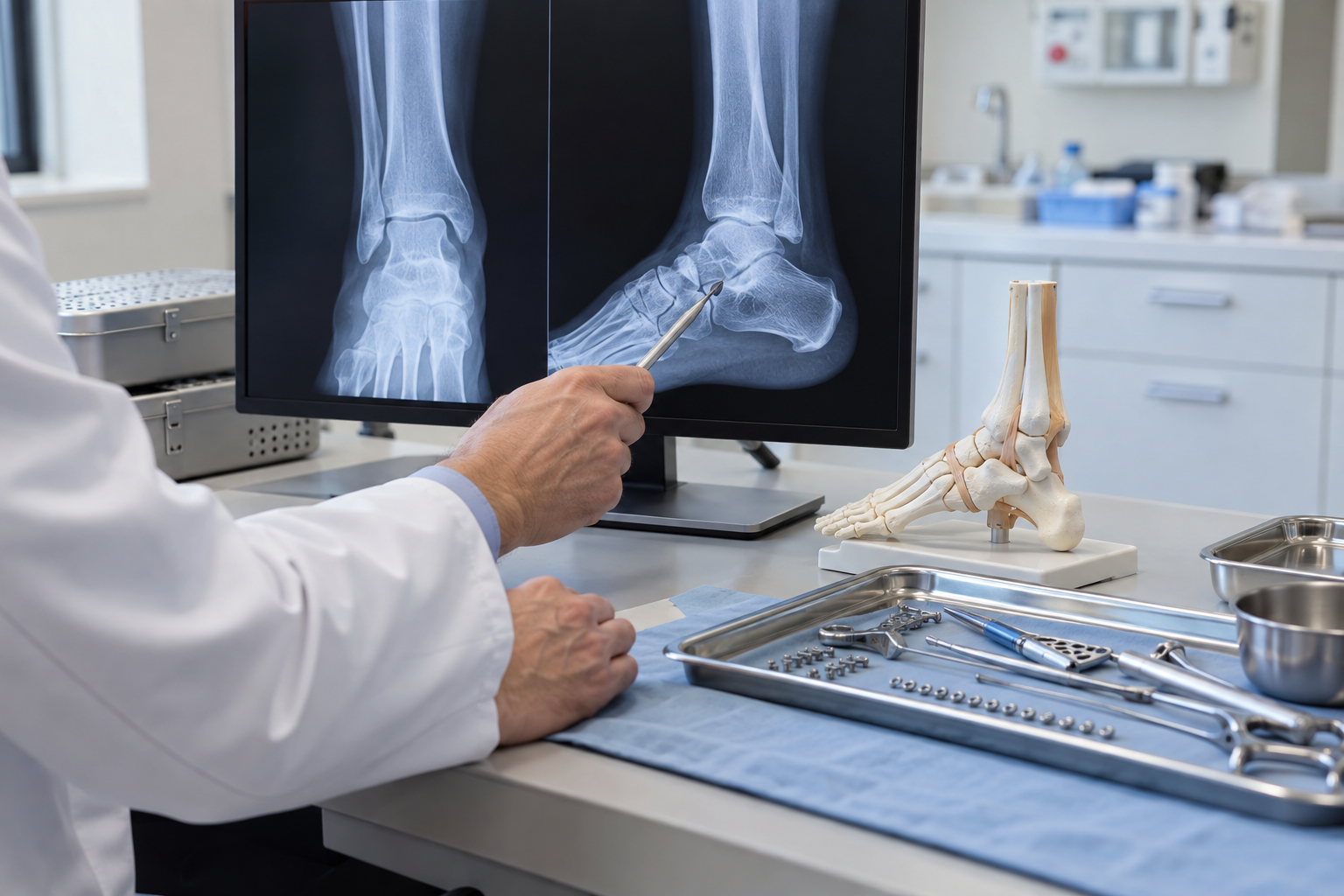
PRP is prepared from a patient's blood and may be considered for selected tendon or soft tissue problems after evaluation.
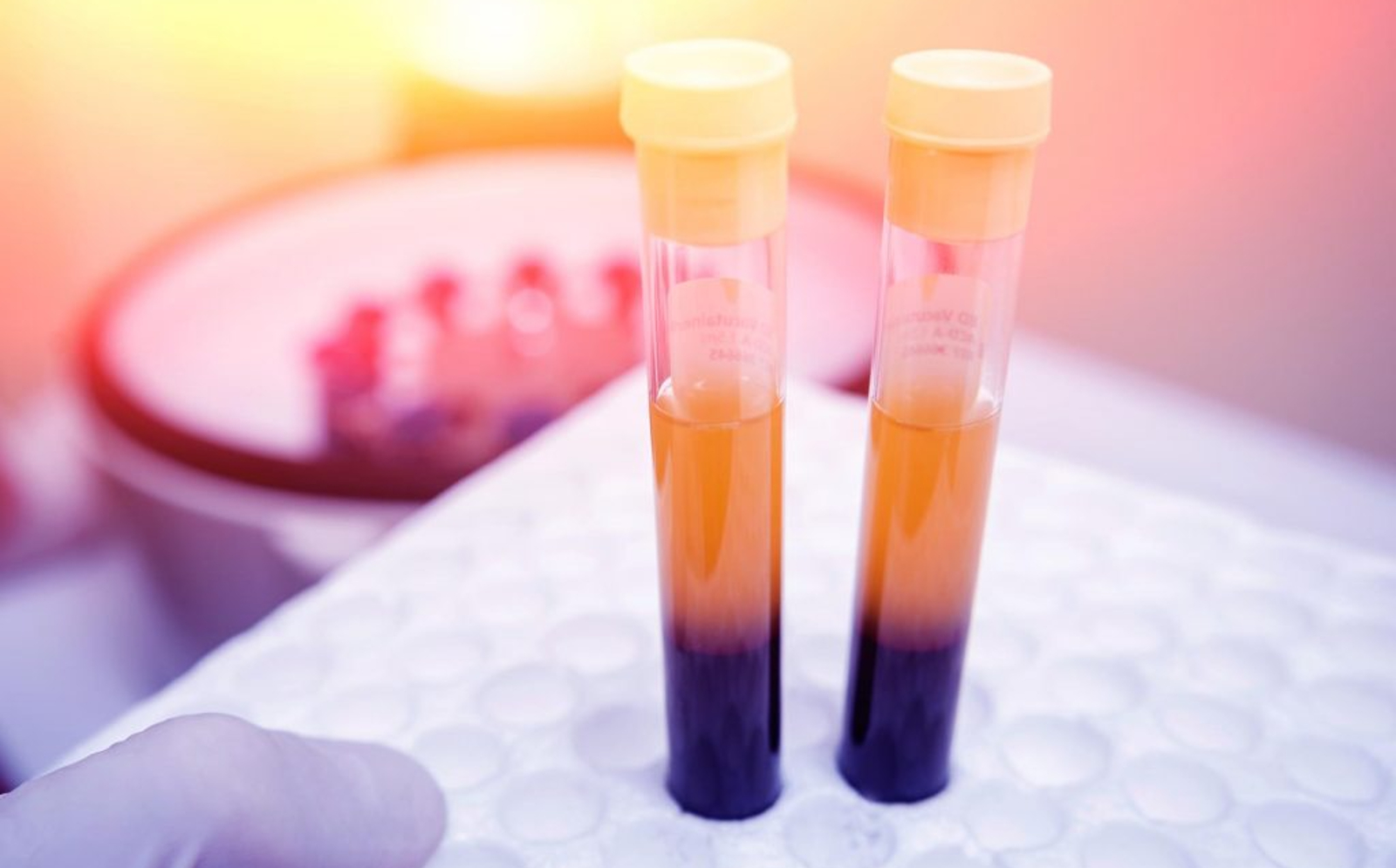
Platelet rich plasma, called PRP, is prepared from a small sample of your own blood. The blood is processed to concentrate platelets in plasma, and the prepared material is injected into a selected area. Platelets contain proteins involved in the body's normal repair response.
PRP is not a cure and does not guarantee pain relief or tissue healing. Research and expected benefit vary by diagnosis, so the decision should follow an examination and a discussion of other reasonable options.
A clinician may discuss PRP for certain chronic tendon or soft tissue problems that have not improved with an appropriate period of conservative care. The exact diagnosis matters. PRP does not correct every tear, fracture, deformity, infection, nerve problem, or circulation problem.
You may feel pressure or discomfort during the injection. Temporary soreness, swelling, or bruising can occur afterward.
Tell the clinician about all medicines and supplements, especially blood thinners and anti-inflammatory medicines. Do not stop a prescribed medicine on your own. The team will explain whether any changes are appropriate and provide instructions for food, hydration, transportation, and activity.
Activity instructions depend on the treated area and diagnosis. A period of protection, stretching, bracing, or physical therapy may be part of the plan. Improvement, when it occurs, may be gradual. Follow-up is used to review symptoms, function, and whether the diagnosis or plan needs to change.
PRP uses material prepared from your own blood, but the injection still has risks. These may include pain, bleeding, infection, injury to nearby tissue, and no meaningful improvement. Your clinician will review risks that apply to the proposed treatment and your health history.
There is no standard number for every condition. The recommendation depends on the diagnosis, response, health history, and the evidence supporting treatment.
Coverage varies by plan and diagnosis. The office can explain available payment information, but you should confirm benefits with your insurer.
The timeline depends on the treated tissue and your activity. Follow the written restrictions and rehabilitation plan provided by the clinician.
Explore Achilles tendinitis, heel pain and plantar fasciitis, and other treatment options.
Signature Foot and Ankle provides care in Boynton Beach and Loxahatchee. Call 561 203 9285 or request an appointment online.